
Mar 30, 2026
Wood-Plastic Composite (WPC) is a versatile material crafted by blending wood fibers with thermoplastics like polyethylene (PE), polypropylene (PP), or polyvinyl chloride (PVC). Beyond wood fibers and plastics, WPC may incorporate other lignocellulosic materials or inorganic fillers. It belongs to a broader category called Natural Fiber Plastic Composites (NFPC), which excludes fillers like pulp fibers, peanut shells, coffee husks, bamboo, or straw.
To create a cohesive composite structure, chemical additives are used to bind the polymer and wood flour (powder) effectively while optimizing processing conditions for durability and performance.
History of WPC
The WPC process was pioneered and patented by Covema, a Milan-based company founded by the Terragni brothers in 1960. They trademarked the term “Plastic-Wood,” marking the first patented method to integrate wood fibers into thermoplastics.
Applications
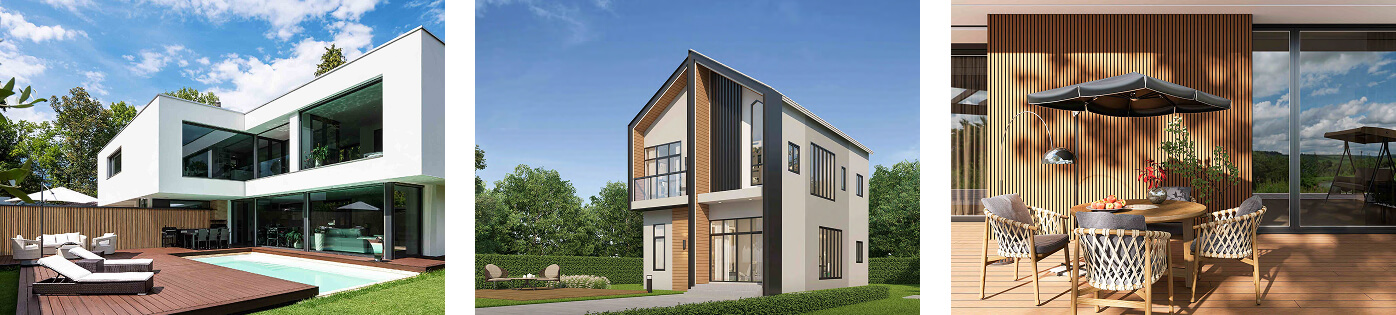
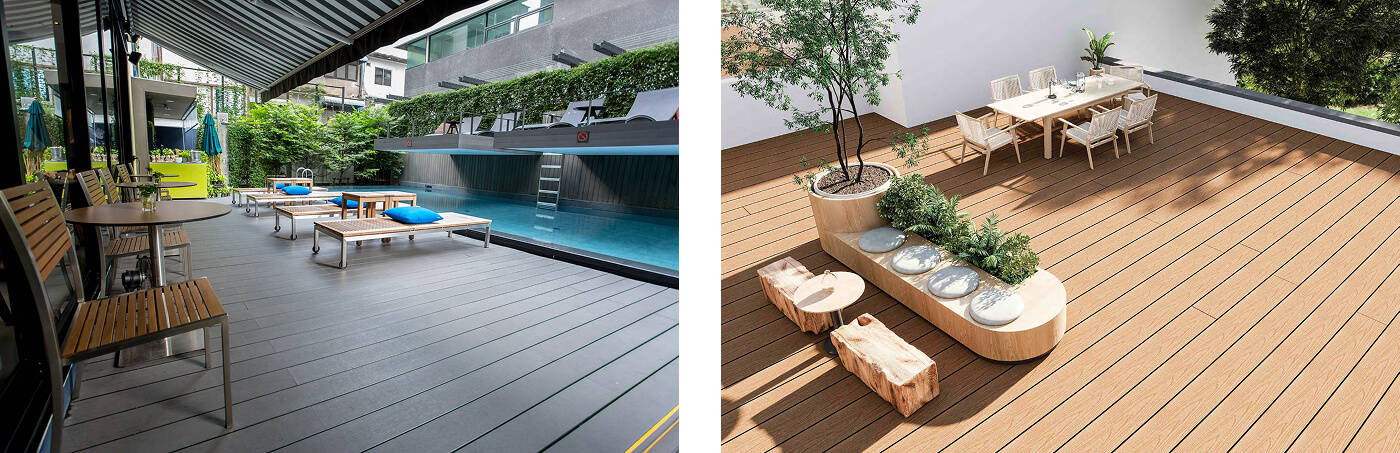
While relatively new compared to traditional construction materials, WPC has gained popularity, particularly in North America, for outdoor decking. Its versatility extends to railings, fences, landscaping timbers, cladding, siding, park benches, moldings, trim, and even indoor furniture. Unlike pressure-treated or decay-resistant solid wood, WPC is more eco-friendly and requires minimal upkeep. Advanced manufacturing allows WPC to mimic the natural grain of wood, enhancing its aesthetic appeal.
Production
WPC is produced by thoroughly blending ground wood particles with heated thermoplastic resin. The most common method is extrusion, shaping the material into desired forms, though injection molding is also used. WPC can utilize virgin or recycled thermoplastics, such as high-density polyethylene (HDPE), low-density polyethylene (LDPE), polyvinyl chloride (PVC), polypropylene (PP), acrylonitrile butadiene styrene (ABS), polystyrene (PS), or polylactic acid (PLA). PE-based WPC dominates the market. Additives like colorants, coupling agents, UV stabilizers, blowing agents, foaming agents, and lubricants tailor the product to specific applications. Extruded WPC can form solid or hollow profiles, while injection molding produces parts like automotive panels or phone casings.
In some facilities, ingredients are mixed and processed in a pelletizing extruder to create pellets, which are later remelted and shaped. Other manufacturers streamline production by mixing and extruding finished parts in a single step.
Due to its organic components, WPC is processed at lower temperatures than unfilled plastic, typically 28°C cooler. Most WPCs begin to burn around 204°C, and overheating during processing risks shearing, burning, or discoloration. In injection molding, forcing overheated material through narrow gates can worsen these issues. The wood-to-plastic ratio influences the Melt Flow Index (MFI), with higher wood content reducing MFI for a stiffer product.
Advantages of Wood-Plastic Composites
Low Maintenance
WPC’s standout benefit is its minimal maintenance. Traditional wooden decks demand intensive annual upkeep and replacement every 10-15 years. Maintaining wood involves time-consuming, costly tasks like power washing to preserve its look. WPC eliminates these burdens, offering a hassle-free alternative.
Superior Durability
WPC flooring is exceptionally durable. Its protective capping and moisture-resistant composition prevent mold, mildew, and moisture damage, unlike wood, which warps or cracks. This makes WPC ideal for long-lasting outdoor applications.
Authentic Wood-Like Appearance
Advancements in technology give WPC a remarkably realistic wood grain texture. Available in a wide range of colors and finishes, WPC allows homeowners to select designs that match their style and architectural needs.
WPC’s long-term value often surpasses traditional wood. While composite decking may have a higher initial cost, its low maintenance, durability, and resistance to staining or repairs make it cost-effective over time. Typically, WPC recoups its cost within a few years, delivering lasting performance with minimal effort.
WPC Sandwich Panels
WPC panels offer excellent properties, but their weight can limit applications where lightweight materials are preferred. Sandwich-structured WPC panels address this by combining WPC’s strengths with the lightweight benefits of sandwich technology. These panels feature wood-polymer composite skins and a low-density polymer core, significantly boosting stiffness while reducing weight.
WPC sandwich panels are widely used in automotive, transportation, and construction industries, with growing applications in furniture. Innovative, often in-line production processes enable stronger, stiffer panels at lower costs than traditional plastic panels.
Composite Flooring vs. Treated Wood
Many homeowners choose pressure-treated wood for its affordability and availability. However, wood is prone to splintering, rotting, and high maintenance costs. Composite decking, by contrast, offers greater durability and easier upkeep, though some find its appearance less natural than wood.
Which Resists Moisture?
Wood absorbs water easily, leading to warping, cracking, or rotting without regular sealing or painting. WPC, however, is fully moisture-resistant, making it ideal for humid environments without risk of decay.
Which Needs Less Maintenance?
Wooden decks require frequent painting, staining, and sealing to combat weather, moisture, and pests. Composites need none of this—just occasional cleaning or sweeping to maintain their appearance and performance.
Which Resists Insects?
Wood is highly susceptible to insect and rodent damage, necessitating regular treatments. While WPC contains wood fibers, its protective layers repel termites and other pests, enhancing longevity.
Cost Comparison
The upfront cost of wood is often lower than composites, causing hesitation for some homeowners. However, wood’s ongoing maintenance expenses add up quickly. Composites typically offset their initial cost within 2-3 years due to minimal upkeep. Prices vary based on material type, brand, and installation region.
*Note**: The document mentions five images (image1.jpeg to image5.jpeg) without descriptions. If you need help analyzing or describing these images, please provide them or additional details. For further refinements, such as specific tone or formatting, let me know, and I’ll tailor the translation accordingly!


